
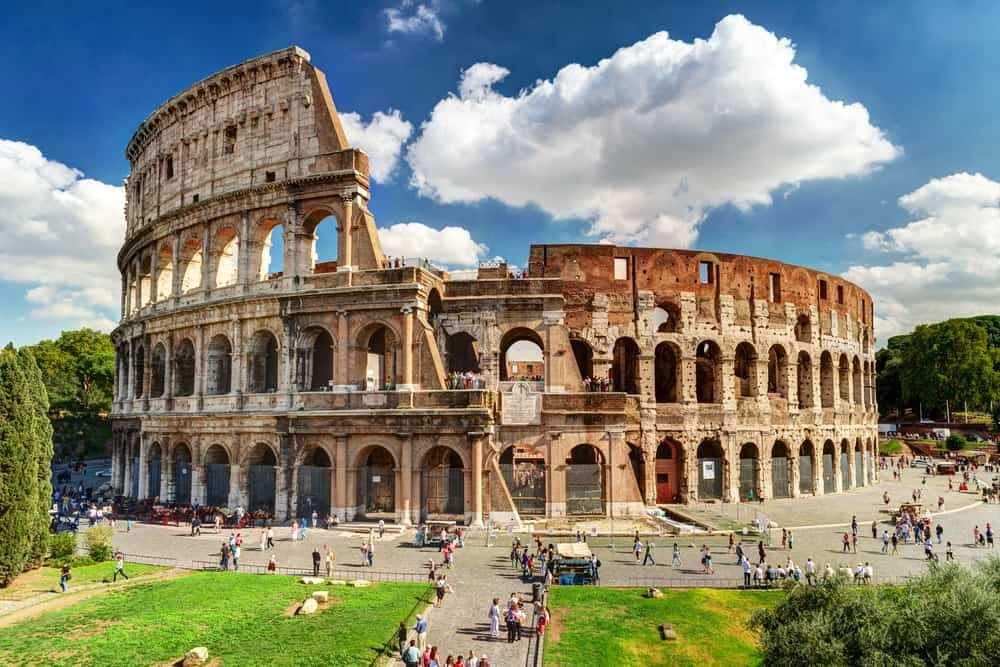
Historical sites are among the most popular attractions for travelers around the world. Ancient temples, castles, monuments, archaeological ruins, historic cities, and former battlefields provide visitors with an opportunity to connect with the past. Every year, millions of tourists travel long distances to experience these places firsthand. But what makes historical sites so appealing? Their combination of education, culture, architecture, storytelling, and unique experiences makes them powerful attractions for travelers.
A Connection to the Past
One of the biggest reasons people visit historical sites is the opportunity to connect with history. Reading about an ancient civilization in a textbook can be informative, but standing where important events actually occurred can create a much stronger impression.
Visitors can walk through old streets, explore historic buildings, and see objects that survived for hundreds or thousands of years. This physical connection can make history feel more real and personal.
Fascinating Architecture and Design
Historical sites often showcase architectural styles that are difficult to find in modern buildings. Ancient temples, medieval fortresses, royal palaces, and historic houses demonstrate the skills and creativity of earlier generations.
Visitors are attracted to impressive structures because they provide both cultural and visual experiences. Intricate carvings, decorative ceilings, stonework, gardens, bridges, and monuments can make historical destinations especially memorable.
Educational Experiences

Explore relationship resources
Review an educational relationship presentation.
Explore the resource →Traveling to historical locations can be an excellent way to learn. Museums, guided tours, information boards, and local experts help visitors understand the people and events associated with a site.
For families, historical tourism can also make learning more engaging for children. Instead of simply memorizing dates and names, young travelers can see historical evidence and understand how people lived in earlier periods.
Cultural Discovery
Historical attractions are closely connected to local culture. Visiting them often introduces travelers to traditional customs, food, clothing, art, music, architecture, and religious practices.
A trip to a historical destination can therefore become much more than sightseeing. Travelers gain a better understanding of how communities developed and how traditions have been preserved across generations.
Stories Behind Famous Places
Every important historical site has a story. Some are connected to famous rulers, explorers, artists, religious leaders, political movements, or major conflicts. Others tell stories about ordinary people and everyday life.
Compare the details
See the current program information and terms.
Review the program →These stories create emotional connections. Tourists are often interested not only in what a building looks like but also in what happened there and why it matters.
Photography and Social Media
The visual appeal of historical sites also contributes to their popularity. Grand monuments, ancient ruins, colorful buildings, and dramatic landscapes provide excellent opportunities for photography.
Social media has made this effect even stronger. Travelers frequently share photographs and videos from their trips, inspiring others to visit the same destinations. A historically significant location can therefore gain additional attention through online travel content.
A Sense of Discovery
Historical tourism can provide a feeling of exploration. Walking through an archaeological site or discovering a centuries-old building can make travelers feel as though they are uncovering a piece of the past.
This sense of discovery is particularly appealing to people who enjoy learning about civilizations and exploring places outside their everyday surroundings.
Learn more about connection
Take a look at the separate third-party resource.
See the guide →Economic and Tourism Benefits
Popular historical sites can also support local economies. Tourists spend money on accommodation, restaurants, transportation, souvenirs, guides, entrance tickets, and local services.
Tourism revenue can help fund conservation and restoration projects when historical attractions are managed responsibly. Preserving these places allows future generations to experience them as well.
Conclusion
Historical sites attract millions of tourists because they combine education, culture, architecture, storytelling, and unforgettable experiences. They allow travelers to see evidence of the past, understand different societies, and experience places that have shaped human history.
Whether visiting an ancient ruin, a historic city, a royal palace, or a centuries-old monument, travelers often leave with more than photographs. They take home a deeper appreciation for the people, cultures, and events that helped shape the modern world.